
Rice millersPunjab, India
Let’s talk
Rooted in Punjab. Ready for the world.

A world of good rice.

Your next chapter starts with a conversation.

Discuss your requirements

Rooted in Punjab. Ready for the world.

A finer grain.
A shared future.

GGA International mills basmati rice in Patti, Tarn Taran, Punjab. Our leadership brings more than 25 years of milling and trade experience, and a belief that good business starts with good people.

From our mill in Tarn Taran
to your next chapter.
Illustrative still life of long-grain basmati in a green ceramic bowl with golden paddy stemsGGA International brand seal

Basmati

Long grain.
Lasting impression.
A little grain. A world of possibility.
Explore the GGA worldScroll to discover
25+

Years of leadership
experience

6 MT/hr

Milling
capacity

Punjab,
India

Our home.
The world ahead.

01 / The collection

Good rice.
Great possibilities.

Basmati collection

Long-grain basmati with steam processing

Varieties: 1121 · 1509 · 1401 / Pusa · 1718

Basmati collection

Parboiled basmati in white or golden finishes

Varieties: 1121 · 1509 · 1401 / Pusa · 1718

Basmati collection

Raw milled basmati with its natural character

Varieties: 1121 · 1509 · 1401 / Pusa · 1718

Non-Basmati collection

Available in raw, steam and sella formats

Formats: Raw · Steam · Sella

02 / Our brands

Two names.
One commitment.

Distinct identities. A shared dedication
to the rice that carries them.

The GGA family / 01
Shaan-E-Taj — Premium Basmati Rice

Shaan-E-Taj

Premium basmati rice

The GGA family / 02
Kohira

Kohira

Pure basmati rice

03 / The life of a grain

A little grain.
Considered at every step.

Inside the complete process

Some process images are illustrative.

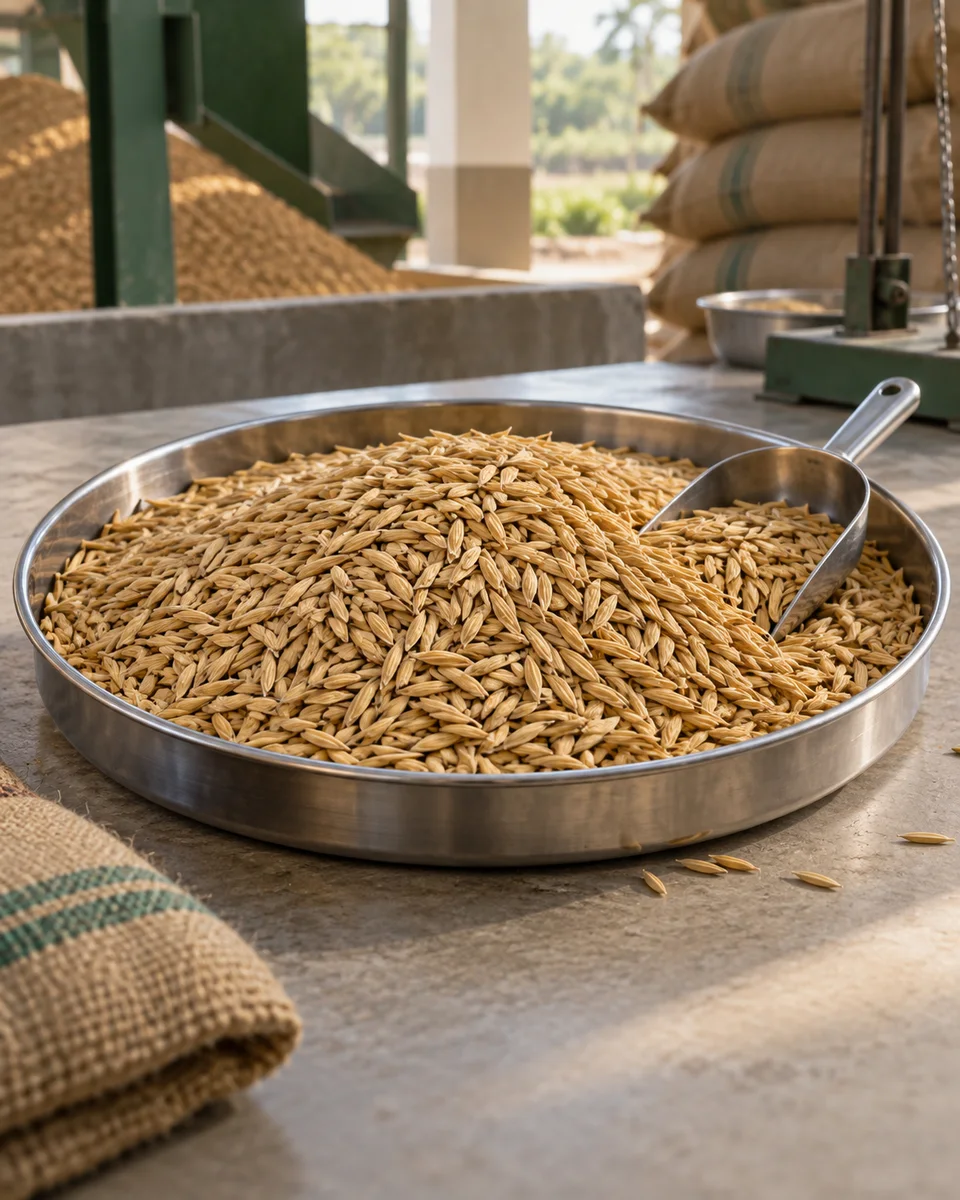
  1. Golden unhusked paddy in a sampling tray

    01 / Intake & grading

    Paddy is sampled at intake. Moisture, appearance and the condition of the grain guide the first selection.

    More about this stage
    Every truck is sampled before it is tipped. Moisture, admixture, immature grain, foreign matter and the smell of the paddy are read at the gate, and a lot that misses the intake band is turned away rather than blended down. The lot number written here is the one that ends up on the container.
  2. Retouched view of the mill’s steam-processing vessels in warm golden-hour light

    02 / Steam-maturation

    Controlled steam treatment prepares the paddy before drying and milling. The process is selected for the rice being produced.

    More about this stage
    Maturation is the whole argument for premium Basmati, and we've built a faster, more consistent way to get there. Paddy is steamed under controlled conditions in our own boilers, then dried and rotated before its final milling pass — the texture, aroma and elongation buyers expect from a well-aged grain, achieved in a controlled process at our own mill rather than months in a warehouse. Paddy to finished rice: 15 to 18 hours, start to finish.
  3. Retouched view of the mill’s paddy drying towers in warm golden-hour light

    03 / Drying & storage

    Drying and resting prepare the paddy for storage and the next processing stage, with care to preserve the grain.

    More about this stage
    Paddy arrives wet from the field and has to come down to a storage-safe moisture without shocking the grain. Dried too fast, the endosperm fissures and the grain breaks in the mill months later, long after anyone would think to blame the dryer. We step the moisture down in stages and rest the lot between passes.
  4. Retouched close-up of the mill’s BÜHLER rice-polishing machine

    04 / Milling & polishing

    Shelling removes the husk. Successive milling and polishing passes shape the finish while limiting grain breakage.
    More about this stage
    Rubber-roll shelling takes the husk off with minimal contact, then whitening and silky polishing are taken in gentle successive passes rather than one aggressive cut. Every pass is a chance to snap an 8.35 mm grain, and breakage is the one defect that cannot be sorted back out afterwards.
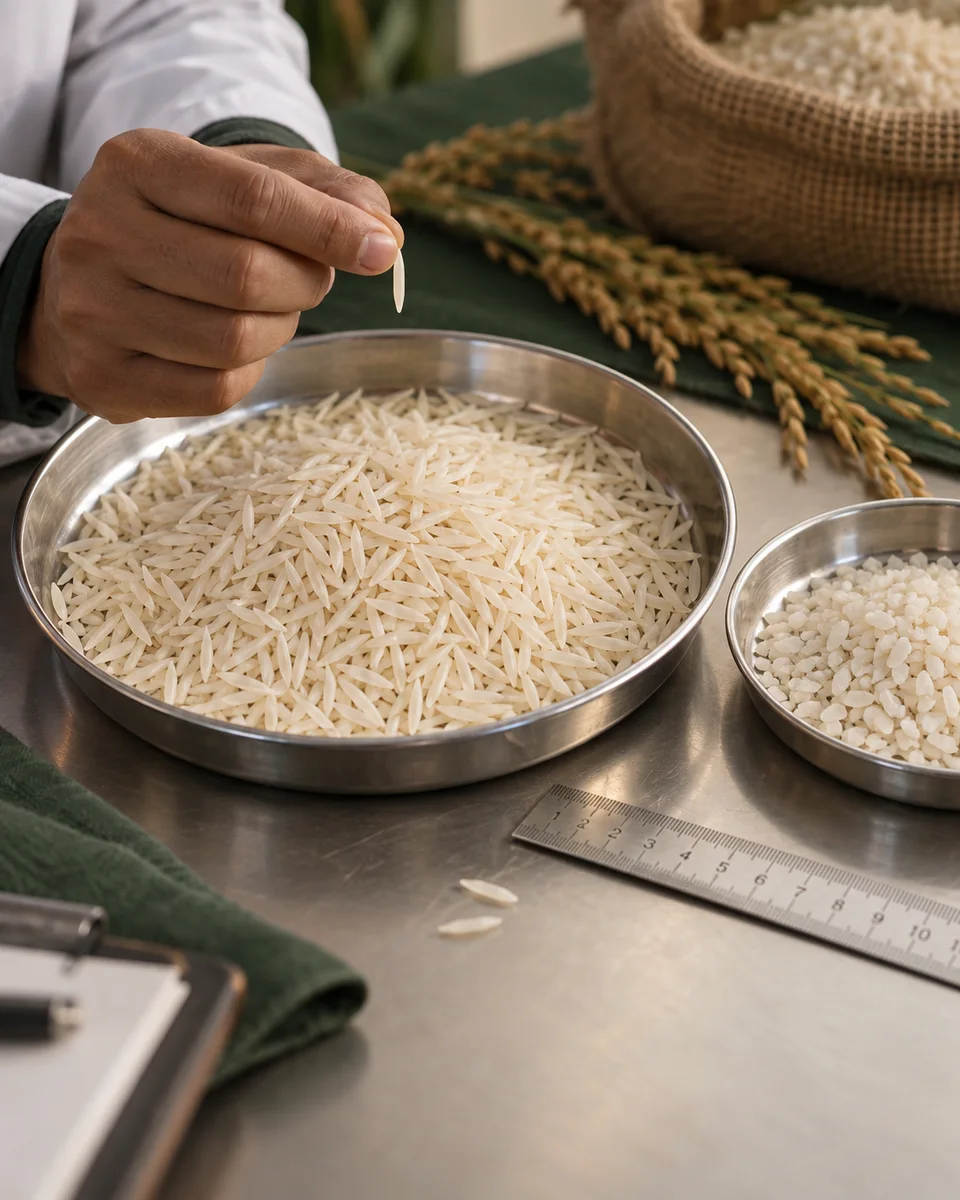
  5. Long basmati grains and broken grains in separate inspection trays

    05 / Sortex & grading

    Colour sorting and length grading separate grains by appearance and size before the accepted rice moves to packing.
    More about this stage
    Length graders separate whole grain from broken. Optical sorters read each grain against the lot standard and eject the discoloured, the chalky and the black-tipped. Rejects are re-run rather than written off, and the accepted stream is re-sampled before it reaches the packing line.
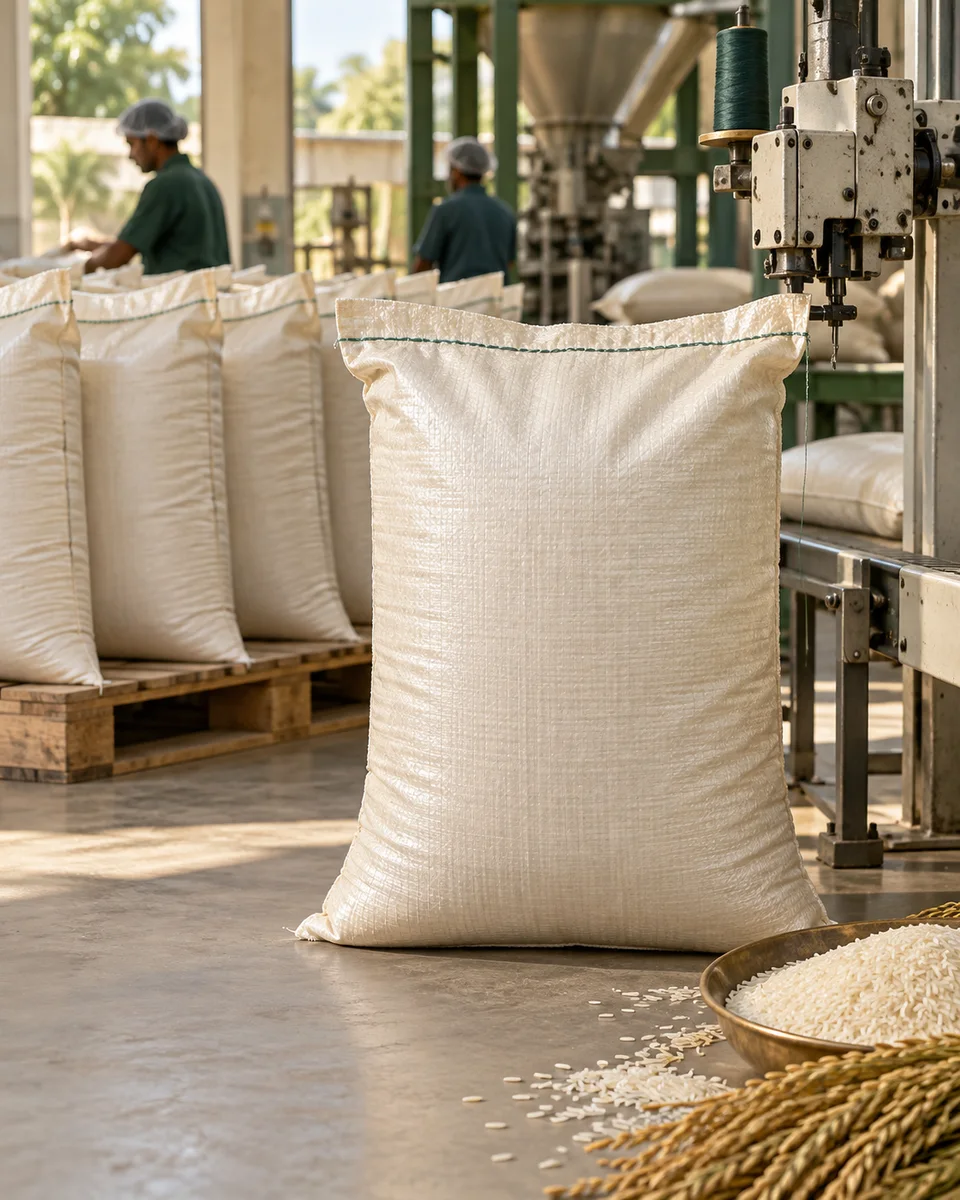
  6. Sealed unbranded rice sacks prepared for handling

    06 / Packing & stuffing

    Rice is packed to the agreed format and artwork. Destination and handling requirements are reviewed for the order.

    More about this stage
    Packing runs against the buyer's approved artwork and destination labelling. Containers are checked for taint and damp, lined where the route calls for it, and sealed with the seal number recorded on the shipping documents.

04 / Better, together

Your business.
Your way.

Three ways to work with one
experienced milling partner.

01

Build your range with Shaan-E-Taj and Kohira. Talk to us about availability for your market.

Explore the brands
02

Bring your own identity. We’ll discuss the rice, packaging and private-label requirements with you.

Discover private label
03

Start with the variety, quantity and destination. Build the right specification together.

Discuss your requirements

A little clarity

Before we
begin.

Can I source rice under my own brand?

Yes. Tell us your preferred variety, packaging format, approximate quantity and destination. Our team will discuss the private-label options and artwork requirements with you.

How do I choose the right basmati?

Start with how the rice will be used and the grain or finish you prefer. Explore our collection, then speak to our team about the variety, processing and pack format. Ask for current batch information and sample availability before deciding.

Do you take international enquiries?

Yes. Our planned international focus is the Middle East and Canada, and enquiries from other markets are welcome. Availability, destination requirements and shipping arrangements are confirmed individually.

What do you need to prepare a quotation?

Your product interest, approximate quantity and destination are a useful starting point. If you have a preferred pack size or private-label requirement, include it. You can also start with a quick WhatsApp conversation.