GGA International

Our Story

A quarter century in one grain.

GGA International began with a single mill in Karnal and a conviction that has not changed since: the difference between good Basmati and great Basmati is time, and time cannot be bought at the last minute.


Where we come from

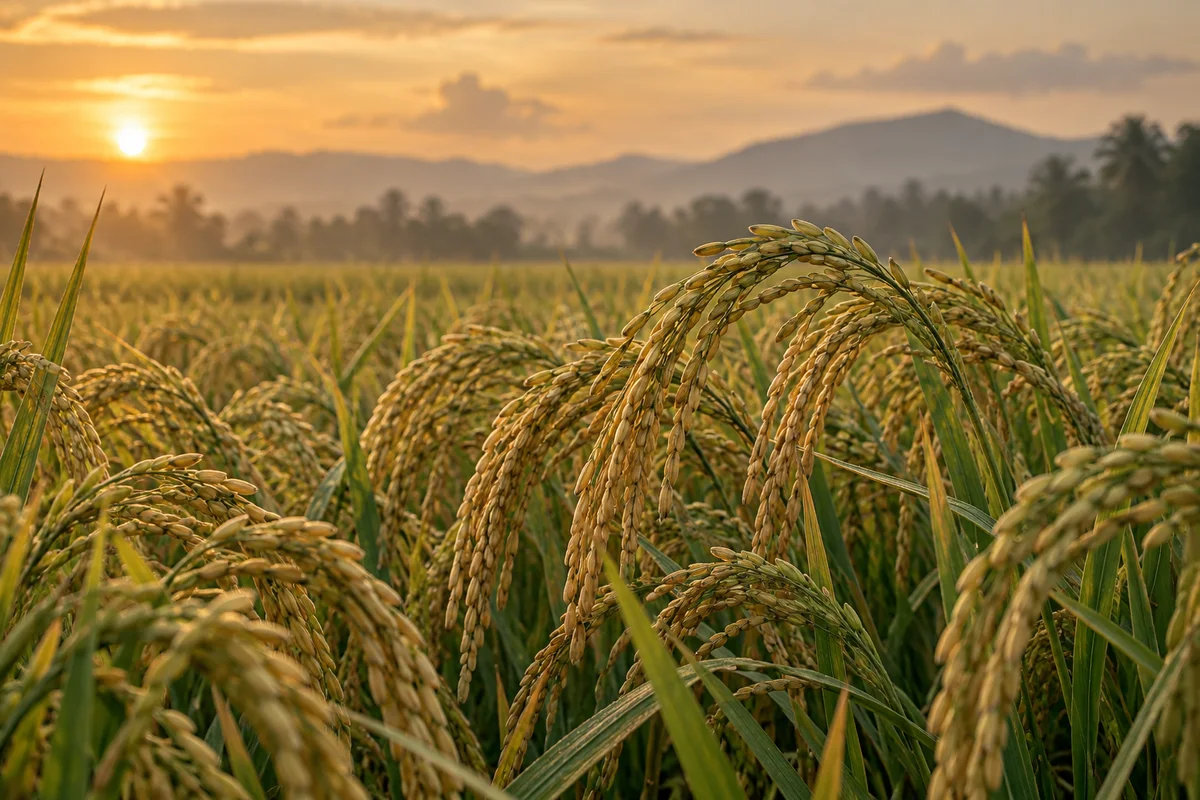
The Basmati belt runs along the foothills where the Himalayan rivers slow and spread — Haryana, Punjab, western Uttar Pradesh. It is the only ground on earth where the grain does what the name promises. We built where the paddy is, and we have stayed there.

[Founded in 1998 as a domestic miller, the company took its first export order in [year] and now supplies importers, distributors and private-label brands in [40+] countries.]

Scale changed the machinery and nothing else. The ageing floor is still the largest room in the building, because the thing we are actually selling is patience.

Milestones

  1. 1998

    The first mill

    [A single milling line in Karnal, serving the domestic trade.]

  2. [2004]

    First export

    [First container despatched to the Gulf.]

  3. [2009]

    The ageing floor

    [Dedicated paddy storage built, moving the company to long-cycle ageing.]

  4. [2014]

    Optical sorting

    [Multi-channel colour sorting installed across the line.]

  5. [2018]

    Certification

    [ISO 22000 and HACCP certification achieved.]

  6. [2022]

    Private label

    [Dedicated OEM line and in-house artwork lab.]

  7. Today

    [40+] markets

    [Exporting to more than forty countries across five regions.]

What we hold to

Provenance

We buy paddy from a named farmer in a named village, or we do not buy it. A lot whose origin cannot be stated cannot be traced, and untraceable rice is somebody else's business model.

Patience

Ageing costs money long before it earns any. Holding paddy in the husk for a year is the least efficient and the most important thing we do.

Precision

Grain length is decided in the field. Whether it survives to the plate is decided in the mill, and every pass is set to take the least it can.

Plain dealing

Specifications in writing, samples before commitment, and the same grade in the tenth container as in the first.

The people

[Names, roles and biographies to follow.]

[Name]

Managing Director

[Biography to follow.]

[Name]

Director, Operations

[Biography to follow.]

[Name]

Head of Quality

[Biography to follow.]

[Name]

Head of Exports

[Biography to follow.]

The farmer network

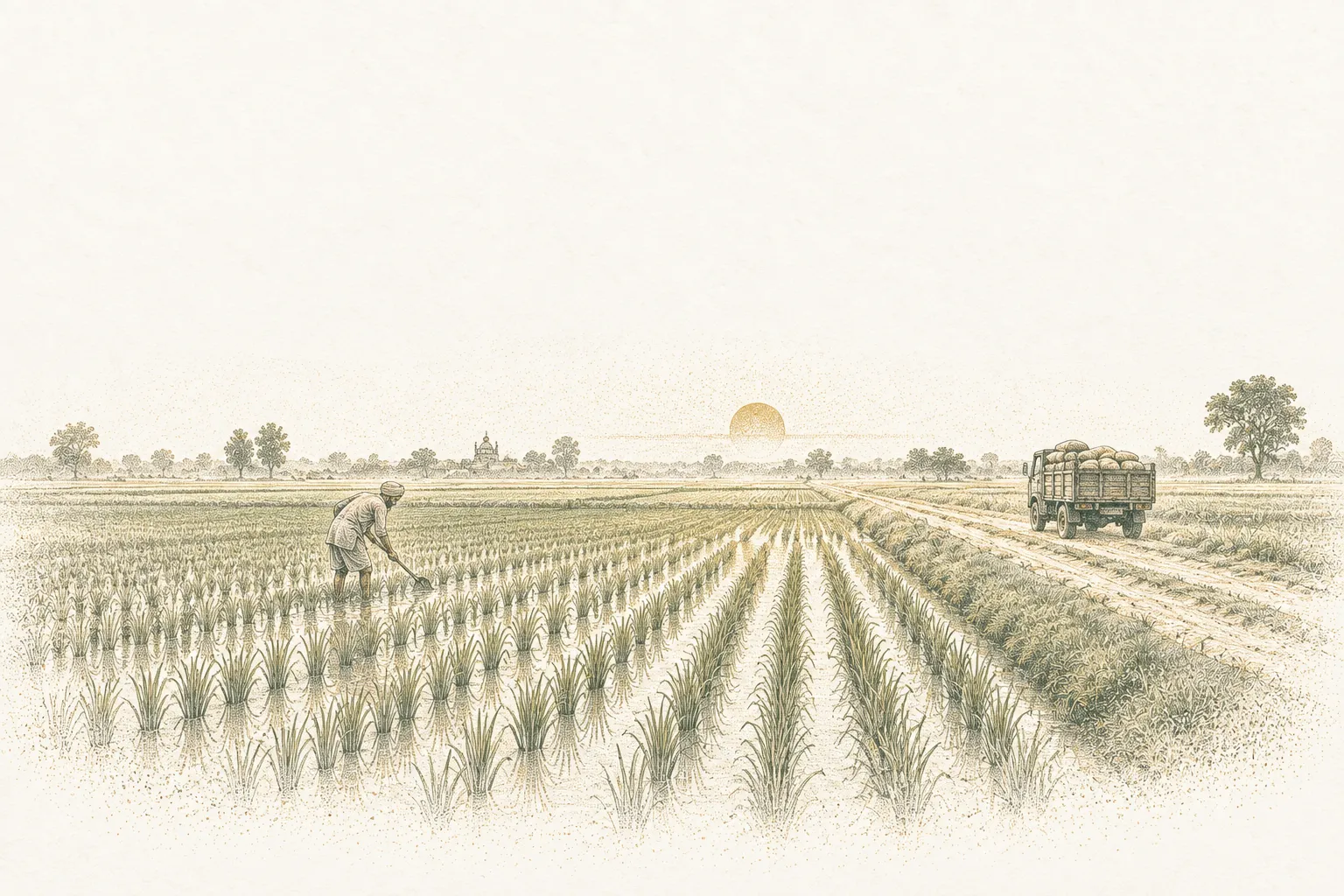
A mill is only as good as the fields it buys from, and a field is only as good as the season the farmer could afford to have. Our sourcing programme is built on that arithmetic rather than on a sustainability page.

Contract farming

[We contract with [N] growers across [N] villages in Haryana and Punjab], agreeing variety, seed and acreage before sowing. The farmer knows the buyer at planting, not at harvest.

Seed integrity

Certified seed of the declared variety is supplied at the start of the season. Varietal purity is a line on the buyer's specification; it is won here, not at the sorter.

Water stewardship

Basmati is a thirsty crop in a region drawing down its groundwater faster than the monsoon returns it. We support direct-seeded rice and alternate wetting and drying on contracted acreage, both of which cut irrigation draw sharply without costing yield.

Residue discipline

Growers on the programme work to a permitted-inputs list keyed to the residue limits of the markets we ship into. It is far cheaper to keep tricyclazole out of a field than out of a container.

Straw management

Paddy straw burning is this region's most visible environmental cost. [We fund baling and in-field incorporation on contracted acreage] rather than treating the smoke as somebody else's problem.

Payment terms

[Growers are paid within [N] days of intake], against the weight and grade read at our own gate — which they are entitled to stand and watch.

Request a Quote